
“New Year, New Me”… Until the Feeling Fades
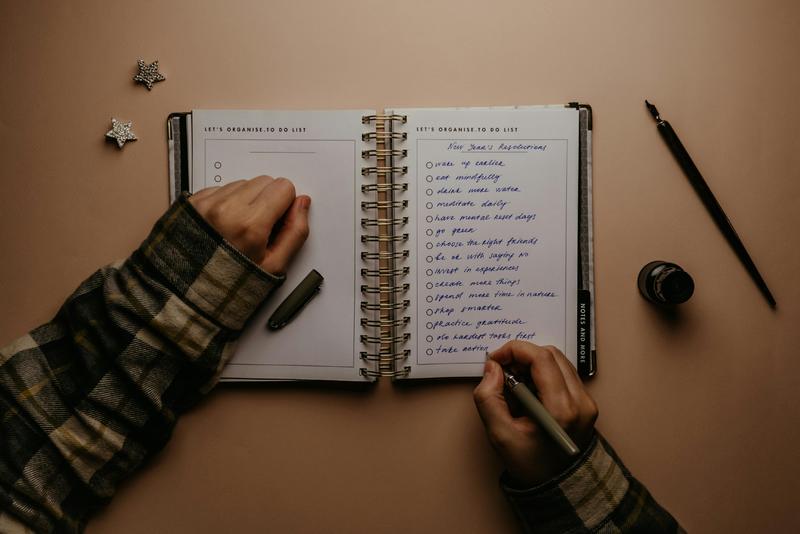
You know how it goes with New Year’s resolutions. You tell yourself, “Alright… this is the year I get back in shape. I’m eating better. I’m training again. I’m actually doing this.” And in that December bubble, it feels doable. You can almost see the routine, the cleaner meals, the early mornings. It feels like you’ve already stepped into it.
Then January rolls in… and the first early workout feels heavier than you expected. The food prep feels annoying. The new routine feels off. And suddenly that resolution that felt so strong a week ago doesn’t have the same pull anymore. Most people call that falling off. But there’s something else happening in that exact moment.
Why New Year’s Resolutions Collapse When January Gets Real
A lot of people notice the same pattern every January. There’s the energy of making a resolution, the clean feeling of a fresh start, the picture of a better version of yourself that feels possible for a moment. And then the shift happens. Real life picks back up. The routine returns. And the intensity behind the resolution fades faster than you expected.
Someone I’ve worked with described it as a quiet slide. They meant the way the promise they made in December doesn’t hold up against the pull of what feels familiar. They said they weren’t giving up; it just didn’t feel the same anymore. You might notice this in your own way. You make the plan to get up early, or cook differently, or train again. It feels clear when you say it. But the first morning it’s cold, or the first day feels heavier than you’d hoped, something in you defaults back to what you know.
This is the state being reinforced. The challenge isn’t the goal. It isn’t the plan. It’s the internal state that gets practiced in the moment when the task feels harder than the initial promise. That’s the pivot point most resolutions never survive.

What This Pattern Signals
There’s always a moment right before the resolution starts to unravel. It’s small. Most people overlook it. It might sound like you telling yourself, “Let me start tomorrow,” even when you know you’re available today. Or it’s the quick tension in your chest the moment you walk toward the thing you committed to.
A man I worked with talked about this when he was trying to rebuild a training routine. He said the idea of starting felt great. But as soon as he actually put on his shoes, everything in him tightened. Not enough to stop him outright, but enough to make him delay. That delay became the pattern.
You might feel something similar. A soft resistance. A heaviness. A quiet negotiation between what you said you’d do and what your body is pulling you toward. Most people don’t name that moment. They just move around it. When that moment isn’t addressed, the old state runs the show. You return to the emotional intensity you’ve practiced the most. Not because you lack discipline. Not because you don’t care. But because your nervous system is trained to choose familiarity over the discomfort of doing something new.
This is the state being reinforced. It doesn’t matter how inspiring the resolution felt in December. If the practiced state is stronger than the new commitment, the old pattern wins.
The Drop-Off Point
Most resolutions collapse in the same part of the process. Not at the beginning, and not when the outcome is still far away. They fall apart at the first bump. The first early wake-up that feels heavier than the picture you had in your mind. The first meal that doesn’t match what you planned. The first day of work that leaves you tired and less available for the change you promised yourself.
Someone once told me they didn’t quit their resolution. They just lost the spark. They didn’t realize the spark wasn’t the issue. The spark was never meant to carry the weight of the change. It was the initial push. The training had to take over from there.
You might see this in yourself when the excitement of the new year wears off and the behavior you chose starts asking something of you. Emotional effort. Physical effort. Attention. Patience. Presence.
That’s the moment the practiced state fills the space. If the practiced state is frustration, you’ll feel the step is too much. If it’s avoidance, you’ll look for a later time. If it’s resignation, you’ll tell yourself it doesn’t matter. This is the state being reinforced. And most people don’t realize they’re not failing a resolution. They’re replaying a pattern. Let’s keep going.

Where Capacity Expands
There’s a point in this process that most people overlook. It’s the space before January even arrives. The weeks when you tell yourself you’ll start fresh on the first. That waiting period becomes its own pattern. You start practicing delay without realizing it. And the body remembers that.
Someone I worked with noticed this clearly one year. They kept saying they were gearing up for January. They thought they were building anticipation. What they were actually building was hesitation. By the time January showed up, the delay was already trained.
You might see this in quieter ways. You tell yourself you’ll start when the calendar resets. You’ll start when life feels cleaner. You’ll start when you’re rested. Each of those moments is its own repetition. This is the state being reinforced.
Capacity doesn’t expand on January first. It expands the moment you stop waiting for a perfect window and start training the internal state you want to bring into the new year. Even if it’s small. Even if it’s one action. You build momentum by practicing the new state now, not by hoping it shows up later. When someone begins early — even with one small shift — they meet January from a trained state instead of an untested one. And that changes everything.
How the Pattern Shows Up Day to Day
When you look closely, the collapse of a resolution is rarely random. It shows up in the same kinds of moments across a person’s life. You’ve probably seen hints of it long before you ever made a New Year’s commitment. Maybe it shows up when you sit down to work on something meaningful and feel a quick urge to check your phone. Or when you try to shift your eating and tell yourself, “Just tonight won’t make a difference.” Or when you try to train again and give yourself a soft out because the day felt longer than expected.
Someone I worked with described it as a quiet turning away. Not a deliberate choice. More like a trained reflex that kicked in without their permission. You might notice it as a slight collapse of intensity. A shift in emotion that turns the task from possible to effortful. A subtle tension in the body that makes the next step feel heavier than it is. None of that is wrong. It’s simply familiar.
This is the state being reinforced. What’s interesting is that the task itself doesn’t change. The difficulty doesn’t change. What changes is your internal state. And when that state shifts, the behavior shifts with it. Not because you decided to quit, but because you returned to the emotional practice you know best.

Training a Different State
When people think about resolutions, they often focus on the behavior. Go to the gym. Eat differently. Wake up earlier. But the behavior is the last link in the chain. It’s the expression of an internal state that was rehearsed enough times to take over automatically.
Someone once told me they didn’t know how to become consistent. They kept trying to discipline their way through the behavior. They didn’t realize the behavior wasn’t inconsistent. Their emotional state was inconsistent. Their inner experience kept shifting, so the external action followed.
You may see this when you’re solid one day and scattered the next. It’s not a motivation issue. It’s a training issue. You practiced a state that doesn’t match the resolution you set. This is the state being reinforced.
The real shift happens when you start practicing the internal state that aligns with the behavior you want to follow through on. Calm when you’d normally tense. Presence when you’d normally check out. Trust when you’d normally doubt. It’s subtle, but it changes everything.
Most people wait for the feeling to show up before they act. But the feeling is trained by the action. And the state is trained by what you choose in small moments, not by what you promise in big ones. If you’re noticing yourself in this, there’s nothing wrong. This is simply a pattern that was practiced. And patterns can be retrained.
The Real Reason Resolutions Don’t Stick
The reason resolutions collapse isn’t because January is busy or people lack discipline. It’s because the emotional state they practiced all year is stronger than the emotional state they tried to adopt overnight.
Someone once said to me, “I guess I’m just not a New Year’s resolution person.” But that wasn’t true. They just didn’t yet understand the pattern that was running the show. You may relate to this when you feel a strong commitment in December and a quiet retreat in January. Those moments aren’t contradictions. They reveal the gap between the state you want to live from and the state you’ve been practicing.
This is the state being reinforced. And that’s the part that can be trained. Not with force. Not with pressure. But with awareness and repetition. The same way every other internal pattern was built.
Reflection
Before we end, take a moment with this. No need to analyze it. Just notice what comes up: What emotional state are you practicing most often — without realizing it?
You’ll find the Inner Foundation Method here if you want a place to train the kind of inner steadiness that makes follow-through less dependent on mood or timing. And if you’d like to stay in the conversation through weekly reflections, you’ll see the newsletter signup here. You can also connect with me on Instagram at @mikewangcoaching for everyday cues that help you stay with the state you want to practice.
These patterns don’t disappear overnight. They show themselves in the moments when the promise of change meets what feels familiar. There’s something useful in seeing that without trying to fix it right away.