
Wanting Partnership While Your State Pushes People Away
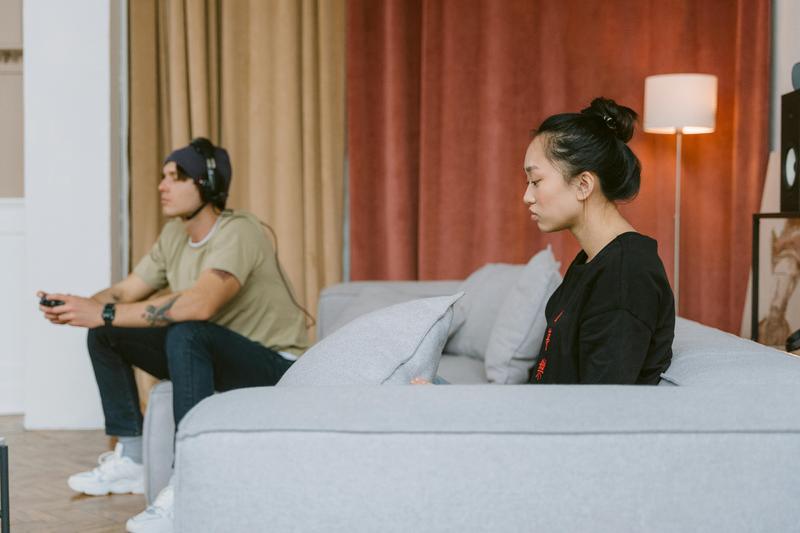
You’ve probably noticed someone saying they want a relationship, but something in how they show up doesn’t match that. That moment stands out because wanting connection and being ready for partnership come from completely different internal states. This is where you see the pattern underneath who’s actually ready and who isn’t.
What This Pattern Signals
When someone says they want a relationship, it’s easy to assume that wanting it means they’re ready for it. But when you look closer, you start noticing the gap between their words and the way they move through their life.
You may see this with someone who talks openly about wanting long-term partnership, but their day-to-day choices never point in any clear direction. They drift from job to job, or they stay in the same routines they say they’re tired of.
There’s no real sense of where they’re going or what they’re building. That mismatch is worth paying attention to, because it reveals something deeper.
It shows that the internal state driving their decisions isn’t aligned with partnership. It’s aligned with relief, or loneliness, or familiarity. And a relationship built from that state won’t hold the weight of partnership.
Someone ready for relationship is choosing a direction in their life and moving toward it. It doesn’t need to be perfect or polished. They just need to be in motion.
You can feel the difference when you’re around them. There’s steadiness. There’s momentum. There’s a sense that their life has shape.
How It Feels on Each Side
There’s also a second signal. It shows up when someone talks about their past relationships, or even their current frustrations.
Some people speak in a way that subtly places responsibility everywhere except within themselves. You’ll hear things like, “My ex never listened,” or “I just attract the wrong people,” or “Life keeps throwing things at me.”
On the surface, these statements sound reasonable. But underneath, you can feel the pattern.
There’s no ownership. No awareness of the emotional habits that shaped those experiences. And when someone isn’t able to see their own patterns, they also can’t train new ones.
They move through relationship with the same internal reactions that created the last ending. Someone ready for partnership doesn’t have to be fully healed or fully aware.
That’s not the point. The signal is that they can recognize, even in small moments, how their own reactions shape what happens between them and another person.
Maybe they say, “I tend to shut down when I feel pressure.” Or, “I know I get defensive when I don’t feel understood.”
There’s no self-judgment in it. Just recognition. That recognition is capacity.
It shows that they’re not waiting for someone else to fix the emotional experience they’re in. They’re choosing to work with it.

Where Capacity Expands
The third signal often shows up only when things get stressful. It’s easy to appear ready for relationship when everything feels steady.
The real pattern reveals itself when intensity rises. You might notice this when someone hits a moment of conflict.
Maybe a plan changes last minute. Maybe a conversation feels sharper than expected. Maybe a boundary is touched.
Some people collapse into silence. Others escalate. Others move into analysis and try to solve everything at once.
What these reactions share is a lack of internal regulation. Their nervous system takes over the moment, and they react from the oldest pattern they’ve practiced.
Someone who’s actually ready for relationship can feel that rise of intensity and stay connected to themselves. Not perfectly… but consistently enough that the moment doesn’t pull the whole interaction off center.
I’ve worked with people who used to shut down in every hard conversation. Over time, as they practiced steady states in the small moments of their day, something shifted.
They could stay present long enough to hear the other person. And they could speak from a calmer place instead of the old pattern.
That’s what readiness looks like. Not the absence of conflict.
But the presence of a trained, grounded state that can hold conflict without collapsing.
How These Patterns Show Up in Everyday Life
You may start noticing these three signals in ordinary interactions. Maybe you meet someone who talks a lot about wanting commitment, but every time you ask about their goals, the answers stay vague.
There’s nothing wrong with that, but it tells you they’re not shaping their life in a way that supports partnership. Or you’re talking with someone you’re dating, and whenever a challenging moment comes up, they go quiet or shift into blame.
Even subtle blame reveals the emotional pattern underneath. It shows that their internal state is leading the moment, not their vision of who they’re trying to become.
Or maybe you’re the one noticing these patterns in yourself. You catch how quickly you move into tension or withdrawal when the conversation gets uncomfortable.
You notice how strong the pull is to protect yourself rather than stay connected. These moments are not failures.
They’re signals. And each signal shows you the state you’re reinforcing through repetition.
Someone who’s ready for relationship isn’t free from these moments; they simply recognize them. And they take responsibility for training a different internal response.

The Shift Into Readiness
There’s a transition that happens when someone moves from wanting a relationship to being genuinely ready for one. The shift is quiet.
It shows up in the way they make decisions. It shows up in the way they talk about themselves.
It shows up in the way they handle small moments of stress. A person who’s ready for partnership isn’t defined by their past patterns.
They’re defined by the state they’re choosing to practice today. You may see this in someone who used to spiral every time plans changed.
Now they take a breath, reset, and respond with more steadiness. Or someone who used to avoid accountability.
Now they can say, “I didn’t show up the way I wanted to there,” without collapsing into judgment. Or someone who used to feel aimless.
Now they’re setting a course for their life and taking consistent steps toward it. None of these shifts happen by accident.
They come from deliberate training. Small redirections practiced over and over until the nervous system learns a new baseline.
If you’re noticing yourself in this, there’s nothing wrong. This is simply a pattern that was practiced.
And patterns can be retrained.
What Readiness Really Is
When you put all of this together, readiness for relationship isn’t about desire. It’s not about how much love someone feels or how lonely they’ve been.
It’s not about timing or luck. Readiness is an internal capacity.
It’s the ability to choose a direction in your life and walk toward it with consistency. It’s the willingness to recognize your patterns and train new ones.
It’s the steadiness to stay present when intensity rises. A person who embodies these qualities doesn’t need to announce that they’re ready.
You can feel it in how they move through their day. And if you’re training these qualities in yourself, you’re building a state that not only supports partnership… but supports every area of your life.
Before we end, take a moment with this. No need to analyze it.
Just notice what comes up: What emotional state are you practicing most often — without realizing it?
If you want to train the kind of steady internal state we talked about today, the Inner Foundation Method is where I teach that work. And if you’d rather stay connected through ongoing reflection and practice, you’ll see the signup for my weekly newsletter here.
You can also find me on Instagram at @mikewangcoaching for simple reminders woven into everyday life.
A lot of this comes down to how we meet ourselves in the patterns we’ve practiced and what we choose to reinforce next. Readiness isn’t a finish line; it’s a way of showing up that builds over time.