
Transformation Is Trained — Not Understood

Do you remember when you first learned how to drive? Not after you knew how to drive. But at the beginning.
You were thinking about everything. Hands on the wheel. Foot on the gas. Foot on the brake.
Mirrors. Speed. Other cars. Your mind was busy.
Very busy. And if someone talked to you while you were driving, you probably didn’t hear a word they said. Because all of your attention was on the task.
Now think about driving today. You get in the car. You go somewhere. And half the time you don’t even remember the drive.
You’re thinking about your day. You’re having a conversation. You’re listening to music. And yet… you’re driving just fine.
That didn’t happen because you understood driving better. It happened because you trained it.
At some point, the body learned. The nervous system learned. And once it learned, it stopped asking the mind for help.
This is how real change actually works.
And this is where most people get confused.
We think transformation should feel like thinking. Like insight. Like clarity. Like figuring something out.
But training doesn’t feel like that. Training feels repetitive. Ordinary. Sometimes boring.
And sometimes… uncomfortable.
When you were learning to drive, there was no big moment where you said, “Ah — now I’m a driver.” It just happened over time.
And personal mastery works the same way. You can understand exactly what to do and still freeze in the moment. You can know the right response and still react the old way.
Because understanding lives in the mind. But response lives in the nervous system.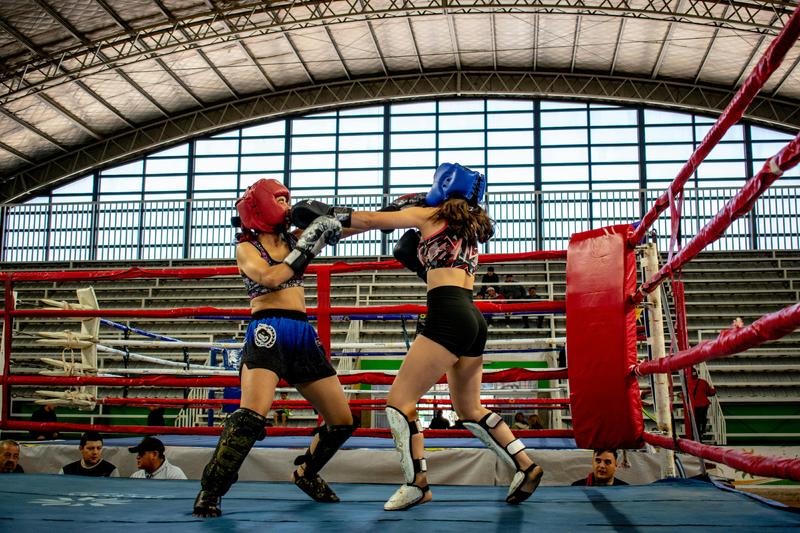
And here’s an important nuance. Training doesn’t always feel calm.
Sometimes it’s intentionally activating. Sometimes you need to feel the contrast — the frustration, the tension, the moment where you realize, “Oh… I’ve been thinking about this more than I’ve been practicing it.”
That kind of activation isn’t a problem. It’s information.
It shows you where your edge is. It shows you where your understanding ends and your training hasn’t begun yet.
The difference is this: When activation is conscious and intentional, it builds capacity. When pressure is unconscious and constant, it shuts learning down.
Good training knows when to slow you down and when to push you forward. Both are necessary.
And this is worth slowing down for. You don’t decide how you respond under pressure in the moment it happens.
You respond based on what you’ve trained up to that point. Just like driving.
You didn’t decide one day to calmly merge onto the freeway. Your body already knew how.
That’s why experiential training matters. Because it doesn’t rely on remembering the right thing. It doesn’t rely on motivation. It doesn’t rely on willpower.
It builds patterns that show up automatically.
And this is where people often get stuck. They keep collecting insight. They keep refining language. They keep understanding the work at a higher and higher level.
But their nervous system is still running the same old patterns. So life doesn’t change.
Not because they’re doing it wrong — but because insight alone doesn’t train response.
Over time, when you do train it, you start noticing things.
You pause instead of reacting. You listen instead of defending. You stay present in moments that used to hijack you.
And sometimes you don’t even realize it’s happening until after the moment has passed.
You think, “Huh… I handled that differently.”
That’s training. Not insight. Not motivation. Training.
So if you’ve ever thought, “I understand this work… why isn’t it showing up in my life?”
There’s probably nothing wrong with you. You’re not broken. You’re not behind. You just haven’t trained it yet.
And that’s actually good news. Because training is learnable. Slow. Simple.
Repetitive. Just like learning to drive.
So just notice this week where you’re trying to think your way into change… when what actually creates it is training.