
Why People Slowly Lose Themselves In Relationships

I don’t think most people notice when this starts happening.
Usually because it happens gradually.
At first it just feels like: you’re trying to make the relationship work.
You’re trying to communicate well. You’re trying to be understanding. You’re trying not to overreact. You’re trying to stay connected.
And honestly, none of that sounds unhealthy on the surface.
A lot of thoughtful people do this.
But over time, something subtle starts happening internally.
You start monitoring yourself more.
You replay conversations afterward trying to figure out whether you handled them correctly.
You reread texts before sending them.
Sometimes you type something out honestly… then delete half of it before pressing send because you don’t want the conversation to become “a thing.”
You start editing what you really want to say while you’re saying it.
Trying not to sound too emotional. Trying not to create distance. Trying to keep the conversation from becoming bigger than it already feels.
And after a while, people start feeling exhausted inside relationships that don’t even necessarily look unhealthy from the outside.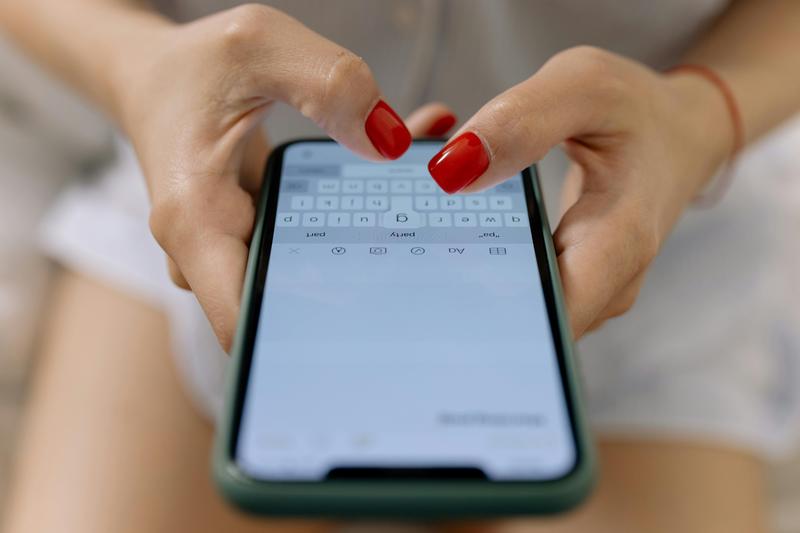
I think that’s the confusing part for a lot of people.
Because externally it can still look like: “good communication.”
You’re calm. You’re patient. You’re emotionally aware.
Meanwhile internally your nervous system is carrying tension constantly.
You’re thinking about the relationship all the time.
You’re trying to anticipate reactions. Trying to avoid disconnection. Trying to keep things stable.
And a lot of people don’t fully understand why they feel so exhausted all the time.
Especially if you’re someone who genuinely cares deeply about people.
A lot of people who lose themselves in relationships are actually very emotionally intelligent.
They notice other people’s emotions quickly.
They’re thoughtful. Empathetic. Self-aware.
But because they’re so attuned relationally, they slowly start organizing themselves around preserving connection.
And eventually they stop noticing how disconnected they’ve become from themselves.
I think this shows up in small ways first.
You stop bringing certain things up.
Not because you’re consciously lying.
You just already feel tired thinking about the emotional energy the conversation might require.
Or you start talking about your feelings in a very edited way.
You say enough to technically communicate… but not enough to fully risk honesty.
A lot of people also start over-explaining.
Trying to make sure the other person understands their intentions correctly.
Trying to prevent misunderstanding before it happens.
Trying to emotionally manage the conversation while it’s unfolding.
And honestly, a lot of people think this means they’re communicating well.
But internally they’re becoming more anxious, more hypervigilant, and less connected to themselves.
Relationships can become exhausting even without constant fighting.
Sometimes the exhaustion comes from the amount of internal management someone is carrying all the time just trying to preserve connection.
And eventually people hit a moment where they realize: “I don’t even feel like myself anymore in this relationship.”
That’s usually a painful realization.
Because people often spent a long time trying to be: understanding, emotionally mature, patient, supportive, easy to communicate with.
And somewhere in the middle of all of that… they slowly abandoned parts of themselves without fully noticing.
I don’t think the solution is becoming cold or detached.
And I don’t think the answer is becoming hyper-independent either.
I think a lot of the deeper work is just learning how to stay connected to yourself once relationships stop feeling emotionally comfortable.
Reflection
Can you notice what starts happening internally during tension?
Can you notice: the urge to over-explain, the urge to emotionally chase, the urge to shut down, the urge to immediately stabilize the connection?
Because once people start honestly noticing those patterns in real time, relationships usually begin changing naturally.
Not perfectly.
But more honestly.
And usually people start feeling more like themselves again too.
And honestly, this is a huge part of why I created The Relational Key.
Because I think a lot of people don’t need more relationship advice.
They need more awareness around what’s actually happening internally while relationships are unfolding in real time.
That’s really what the course is built around.
Learning how to recognize these patterns more honestly… so relationships stop feeling so emotionally consuming all the time.
So if this resonates with you, check out it out here.